
Sustainable Cluster Brand
Source: Foundation of MSME Clusters
Overview
The Sustainable Cluster Brand (SCB) initiative aims to develop a cluster-level sustainability framework for the Panipat textile cluster, India’s largest textile recycling hub. The project seeks to position Panipat as a globally credible, circular, and sustainable sourcing ecosystem by enabling MSMEs to collectively respond to evolving sustainability regulations, buyer expectations, and market requirements.
Rather than focusing on individual enterprises, the SCB approach treats the cluster as the unit of transformation, enabling shared standards, collective traceability systems, and common sustainability infrastructure. Through this model, MSMEs can improve compliance, strengthen market access, reduce sustainability-related costs, and enhance buyer confidence. The initiative is designed to support Panipat’s transition from “implicit circularity” to “verified circularity” by integrating sustainability, traceability, social responsibility, and circular economy principles into a market-recognized cluster identity. The model is also intended to be scalable and replicable across other textile clusters in India.
The SCB initiative is being developed under the project “Green Threads: Enhancing Sustainability in India’s Textile Recycling Clusters”, implemented by Foundation for MSME Clusters , initiated by the European Commission. As part of this project, Centre for Responsible Business (CRB), in partnership with Conserve India, is supporting the development of the Sustainable Cluster Brand framework for the Panipat textile cluster.
Source: Foundation of MSME Clusters
Source: Foundation of MSME Clusters
Why Sustainable Cluster Branding?
The global textile industry is undergoing a fundamental shift. Sustainability is no longer viewed as a voluntary commitment but as a key requirement for market access, buyer confidence, and long-term competitiveness. Emerging regulations in major markets such as the European Union and the United States increasingly require businesses to demonstrate transparency, traceability, environmental performance, and responsible social practices throughout their supply chains.
For textile MSMEs, meeting these expectations individually can be challenging due to limited resources, fragmented supply chains, and the high costs associated with compliance, certification, and reporting systems. This is particularly true for recycling clusters such as Panipat, where a large number of enterprises contribute to circular economy outcomes but often lack mechanisms to collectively communicate and verify their sustainability performance.
Sustainable Cluster Branding (SCB) offers a collaborative solution. Instead of placing the burden on individual enterprises, SCB positions the entire cluster as a trusted and responsible sourcing ecosystem. Through shared standards, common traceability systems, collective governance mechanisms, and coordinated capacity-building efforts, MSMEs can work together to meet evolving market requirements while reducing compliance costs. For Panipat, India’s largest textile recycling cluster, SCB provides an opportunity to transform existing circular practices into verified and market-recognized sustainability credentials. By strengthening transparency, promoting responsible production, improving worker well-being, and enabling credible sustainability claims, the SCB initiative aims to enhance buyer confidence, improve market access, and strengthen the global positioning of the cluster.
Ultimately, Sustainable Cluster Branding is about creating a pathway where sustainability becomes not only a compliance requirement but also a driver of competitiveness, resilience, and inclusive growth for textile clusters.
Objectives
Overall Objective
Develop and operationalize a Sustainable Cluster Brand (SCB) aligned with European, United States, and domestic market requirements.
Specific Objectives
● Assess sustainability, traceability, and due diligence requirements across key global and domestic markets.
● Identify gaps between current MSME practices and emerging market expectations.
● Co-create Sustainable Cluster Brand criteria through stakeholder engagement and consensus-building.
● Design phased, market-specific implementation pathways for MSMEs.
● Develop governance, financing, and capacity-building mechanisms to support SCB implementation.
● Strengthen buyer confidence through improved transparency, traceability, and sustainability assurance.
Long-Term Vision
● Transition from implicit circularity to verified circularity.
● Transform compliance requirements into market opportunities.
● Establish Panipat as a trusted, globally recognized sustainable textile recycling cluster.
Source: Foundation of MSME Clusters
Source: Foundation of MSME Clusters
Stakeholders
The SCB initiative brings together a diverse ecosystem of stakeholders, including:
● Textile MSMEs and recycling enterprises
● Industry associations and Business Membership Organizations (BMOs)
● Global brands and retailers
● Government departments and regulatory agencies
● Financial institutions and green finance providers
● Certification bodies and technical experts
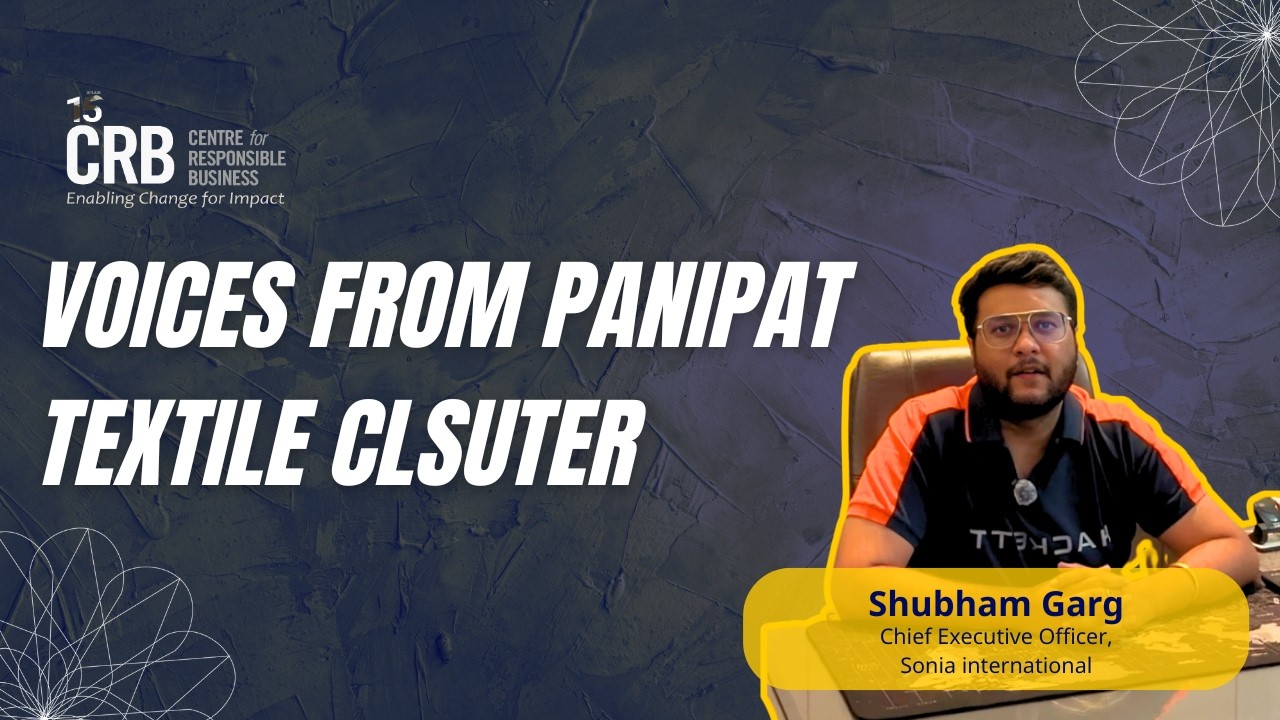
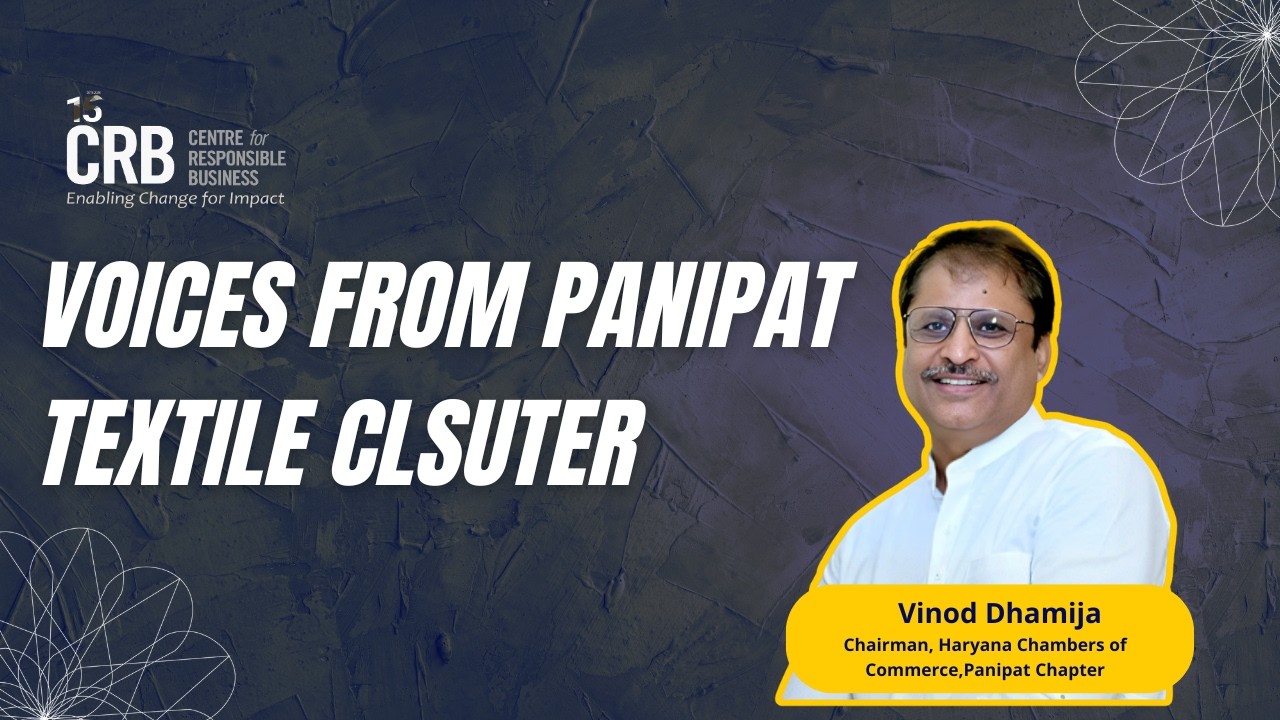
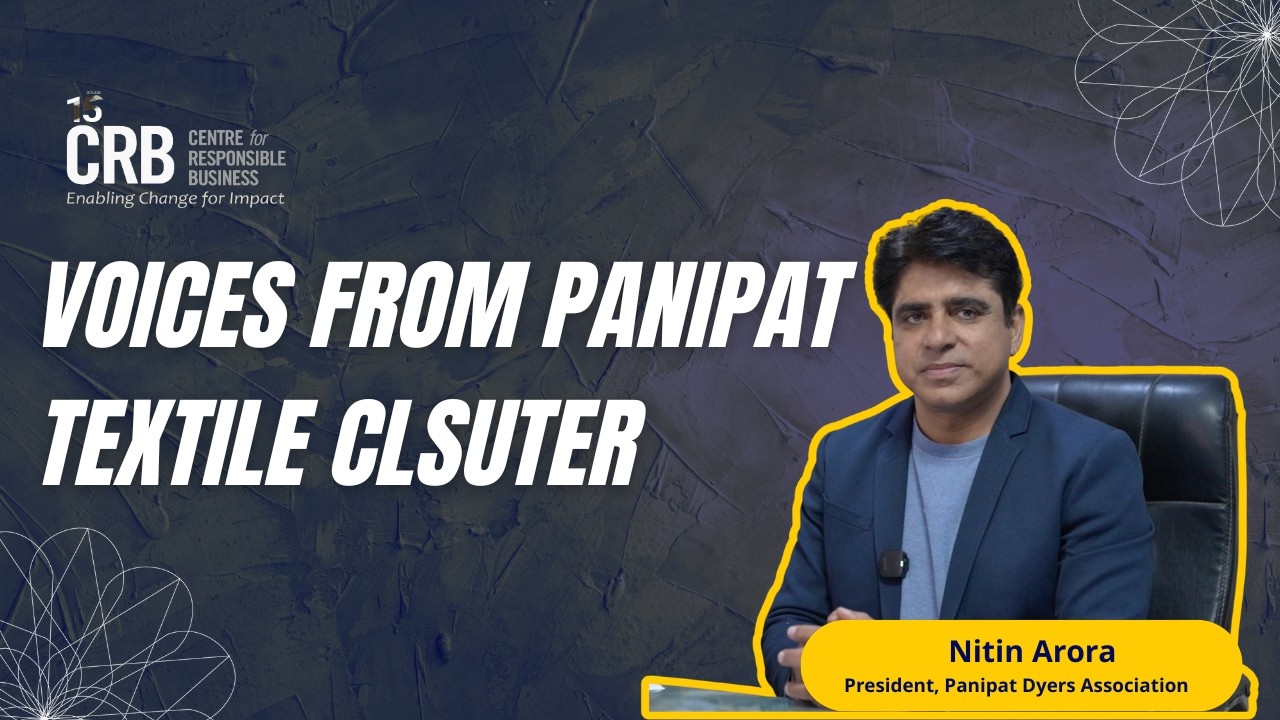
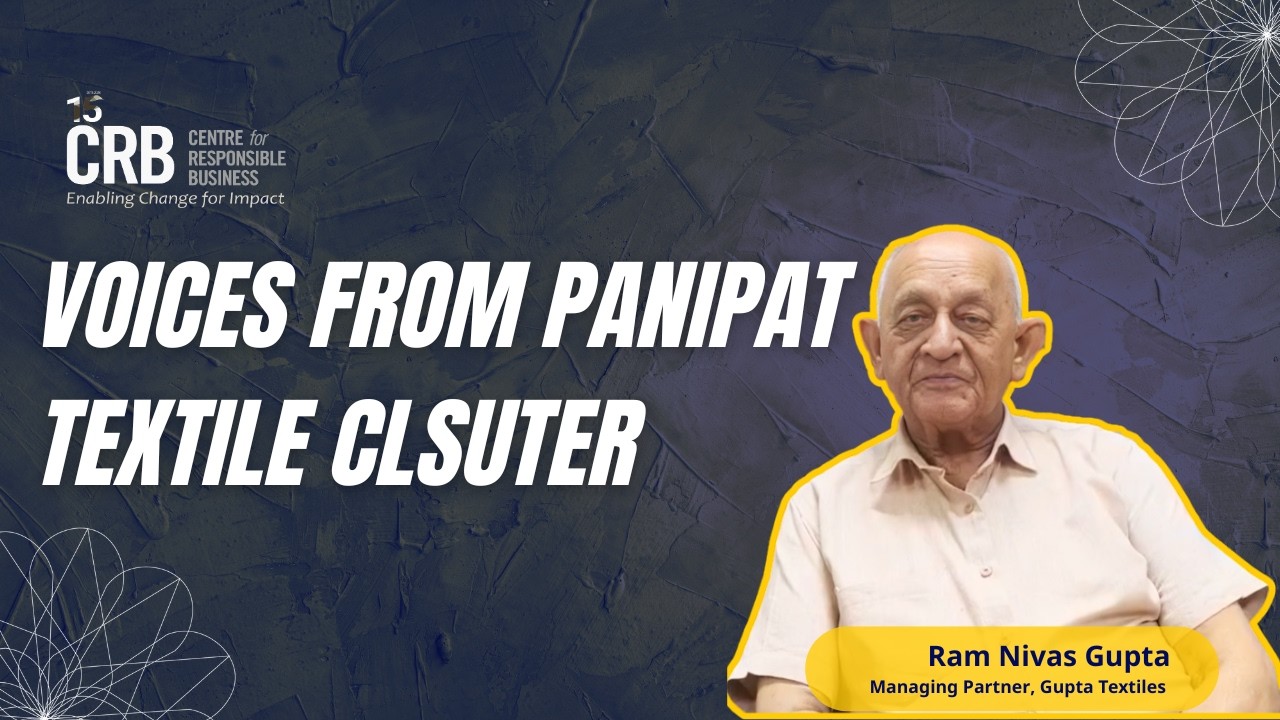
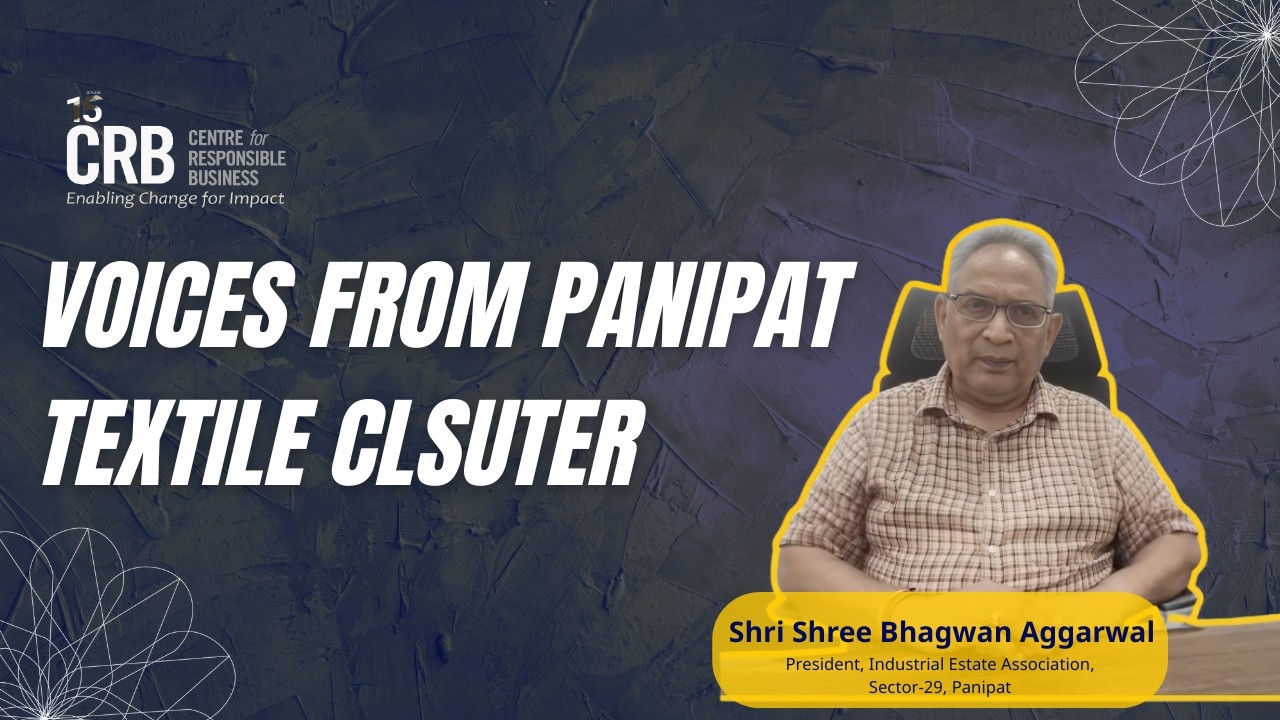
Social Media Campaign


For further information, please contact
Devyani Hari
Senior Director,
Centre for Responsible Business
Email: devyani@c4rb.in
Liza Nagpal
Senior Programme Officer,
Centre for Responsible Business
Email: liza@c4rb.in