
Skip to content
  • Home
  • Who We Are
    • About CRB
    • Governing Body
    • Team
    • Code of Conduct
    • Achievements & Affiliations
    • Annual Reports
    • Financials & Legal Documents
  • What We Do
    • Operational Verticals
    • Industry Sector
      • Agro Based Industries
      • Apparel And Textiles
      • ICT And Electronics
      • Mining and Minerals
    • Thematic Areas
      • Circular Economy
      • Business & Human Rights
      • Private Sector & SDGs
      • SMEs & Sustainability
      • Voluntary Sustainability Standards
      • Environment & Climate Change
  • Current Initiatives
    • Extreme Heat
    • Business and Human Rights Due Diligence
      • AIMprogress
      • Enhancing Circularity, Ethical Decarbonisation &
        Social Wellbeing in India’s Built Environment
      • Capability Building Tailored for Indian Suppliers
      • Awareness Raising and Capacity Building for SMEs
        on Conducting Environment and Human Rights Due Diligence
      • Self-Assessment Framework on Business & Human Rights
        for Indian Apparel & Textile Industry
      • Exploring Opportunity & Challenges to Operationalise
        Family Friendly Policies in India’s Apparel and Textile Value Chain
    • Circularity
      • Sustainable Cluster Brand
      • Circularity in Plastics
      • Demonstrating Decarbonisation Pathways through Pilots in Textile SMEs
      • Roadmap for Circular Cluster in Ludhiana’s Apparel & Textile Sector
      • Narrative Building on Circular Economy for Sustainable Development
        in the Asia Pacific Region
      • Accelerating the Transition of the Indian Textile Sector towards Circularity
      • Landscaping Study for Food Waste in the HoReCa and Retail Segments
      • Mapping of Sustainability Certification for the Indian Textile Sector
        with Special Focus on Increasing Export Competitiveness of MSMEs
      • Circular Electronics
    • Sustainable Consumption and Lifestyles
      • An Analysis of the Assessment and Implementation
        of Green Claims
      • Analysis of Global Campaigns and their linkages
        with Mission LiFE and the Indian Ecomarks Scheme
    • Deforestation-free Commodity Supply Chains
      • Sustainability Ambassador
      • WWF Industry & Policy Engagement
        on Deforestation Free Edible Oil in India
    • EU-India Collaboration on Sustainability/SDGs
      • EU India Business Collaborative Initiative on Sustainable
        Development, Climate Action and Inclusivity
      • EU Policy and Outreach Partnership in India
    • SMEs and GHG Emission Reduction
      • MSMEs Capacity Building on Race to Net-Zero
    • Sustainable and Inclusive Agri-Value Chains
      • Promotion of Regenerative Agricultural Practices
        for a Food Secure and Climate Resilient Future
        in the EU-India Partnerships
      • Building Capacities for Augmenting Livelihood to
        Sustain the Mangrove Stewardship of Women in the
        Indian Sundarbans to Adapt to Climate Change
      • Applying Capitals Approach in Business Decision Making
        for Sustainable Agri-Food Sector
      • Continuing Professional Development
      • FPOs-Industry Interface on SDGs
      • TEEB Agri Food
    • Multi Stakeholder Platforms
      • EU-India Sustainable Business Forum
      • Sustainable Global Value Chain
      • Business & Human Rights Network
      • FOLU India CREST
      • Alliance of Cotton & Textile Stakeholders
        on Regenerative Agriculture (ACRE)
      • Coalition for Responsible Sugarcane India
      • Sustainable Palm Oil Coalition
      • VSS Collaboration India
      • India Sustainability Standards (ISS)
    • Youth Engagement on Sustainability (YES)
      • Youth for Sustainability (YfS) India Alliance
      • Engagement & Representations
      • Youth for Sustainable Palm Oil Fellowship
  • G20
  • Knowledge Hub
    • Blog
    • Newsroom
    • Publications
    • Events & Updates
  • Careers

Women as Mangrove Stewards and Climate-Resilient Entrepreneurs in the Indian Sundarbans

  • October 19, 2026

share this

Picture of Chhanda De

Chhanda De

Author, Centre for Responsible Business

Linkedin

The Indian Sundarbans presents a fundamental challenge: how can the ecosystems sustaining local livelihoods be protected while strengthening the economic agency of dependent communities? Mangroves provide critical ecosystem services, including shoreline protection, carbon storage and habitats for diverse species. Yet communities face cyclones, salinity, erosion and livelihood uncertainty.

Addressing these challenges requires connecting conservation with economic development. Women’s mangrove stewardship, supported by viable enterprises and accountable producer institutions, can link ecological responsibility with economic opportunity.
 

Rethinking Mangrove Stewardship

Mangrove conservation is often assessed through forest cover, restoration and biodiversity. These measures are essential but do not fully capture the social and economic conditions shaping long-term stewardship.

Bera and Maiti’s study of 254 households across 22 villages bordering the Indian Sundarbans found that 81.5% regularly visited forest areas for livelihood purposes, while more than 46% derived at least half their income from these areas. The study also associated overexploitation with declining fish and crab availability [1]. A wider study of 1,188 households across 35 villages in the Sundarbans region examined livelihood dependence on mangrove ecosystems and the importance of diversifying livelihood options [2].
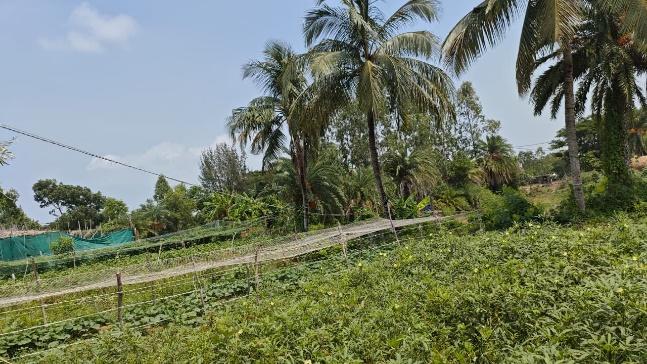
These findings highlight a structural challenge: economic insecurity can intensify pressure on ecosystems when livelihoods depend heavily on natural resources. Effective stewardship must therefore include community participation, institutional accountability and viable livelihood alternatives compatible with ecological sustainability.

Women as Stewards and Economic Actors

Women’s participation is central to this transition, but it does not guarantee economic independence or decision-making power. Women also need skills, productive resources, markets and institutions through which they can influence livelihood decisions.

Research on forest co-management in the Bangladesh Sundarbans found that women’s participation strengthened conservation awareness and social networks while creating opportunities for alternative income generation. However, women remained underrepresented in decision-making structures [3]. Although the study concerns Bangladesh, it offers relevant insights into the relationship between women’s agency, livelihoods and mangrove governance.
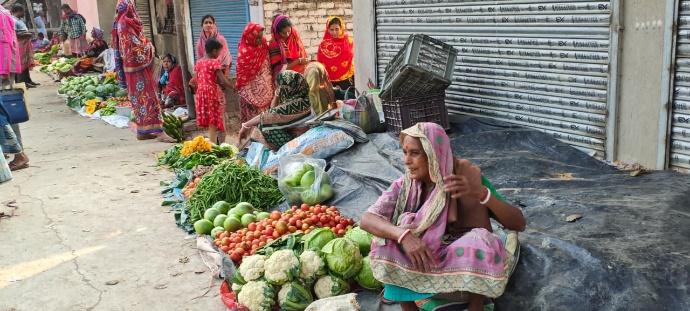
For the Indian Sundarbans, this means women should not simply be expected to assume greater responsibility for conservation. Their contribution must be supported by meaningful economic opportunities and stronger participation in collective institutions. Entrepreneurship can help expand women’s agency while drawing on their knowledge of local resources and livelihood systems.

Connecting Stewardship with Enterprise Development

The Centre for Responsible Business (CRB), in partnership with the Nature Environment and Wildlife Society (NEWS), has worked to strengthen women’s livelihoods while sustaining mangrove stewardship in the Indian Sundarbans [4].

An important institutional partner is Badabon Harvest, the brand associated with Badabon Farmers Producer Company Limited. Established under the patronage of NEWS, the organisation brings Sundarbans producers together around sustainable agriculture and community-driven value chains [5].

The CRB–NEWS collaboration with Badabon Harvest connects ecological stewardship with institutional strengthening and livelihood development. Its work includes developing mangrove stewardship assessment principles, strengthening Farmer Producer Organisation (FPO) governance, building producer capacities and identifying opportunities for value addition and market development [4].

This approach recognises that entrepreneurship requires more than production skills. Women producers need to understand costs, pricing, quality standards, consumer preferences and buyer expectations. Strong producer institutions can help them build these capabilities and participate more effectively in markets.

Why Market Linkages Matter

Production does not automatically translate into prosperity. Small producers may face weak bargaining power, limited market information, inadequate storage and processing, inconsistent quality standards and dependence on intermediaries.

FPOs can help address these barriers through aggregation, collective negotiation, quality management, value addition and organised market access. However, effective governance, commercial capabilities and sustained buyer relationships are equally important.
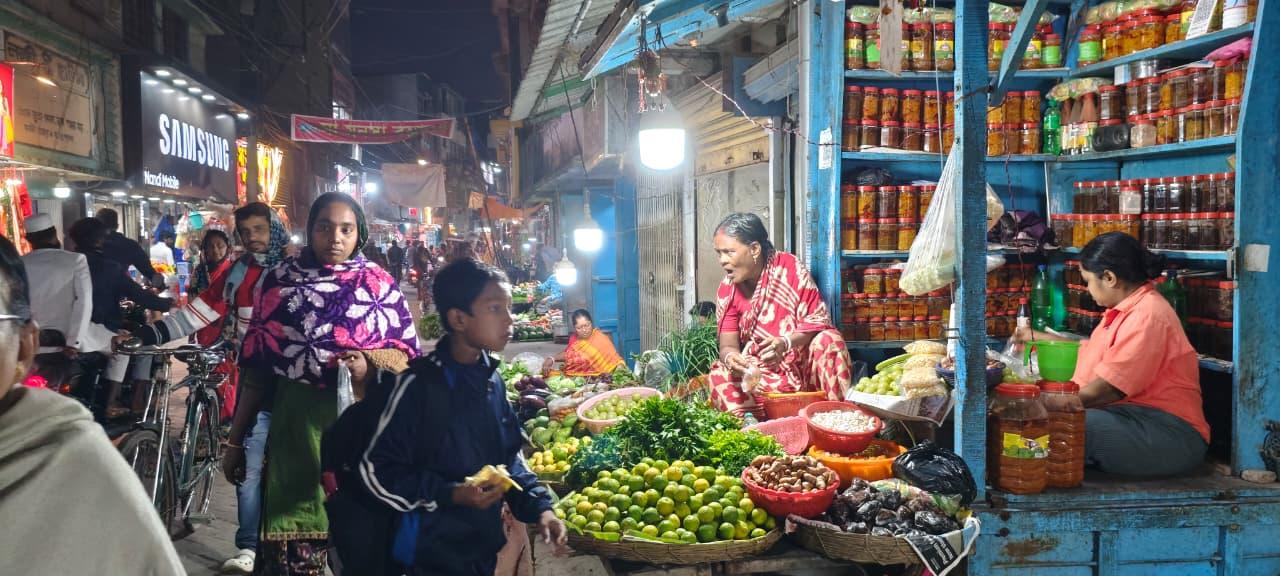
CRB and NEWS have worked with women-led producer groups associated with Badabon Harvest on agricultural marketing, branding and market development. Training activities have addressed challenges involving turmeric, moong and honey, including unfair pricing, unsold produce and restricted market reach [4]. These experiences highlight the importance of designing market interventions around producers’ actual constraints rather than assuming that better products will automatically secure better returns.

The objective is not to commercialise every resource associated with the Sundarbans, but to develop responsible value chains that improve producer returns without increasing pressure on fragile ecosystems.

Grounding Interventions in Local Realities

Livelihood opportunities vary across Sundarbans villages and producer groups. Resource availability, production cycles, institutional capacity and market access must inform intervention design.

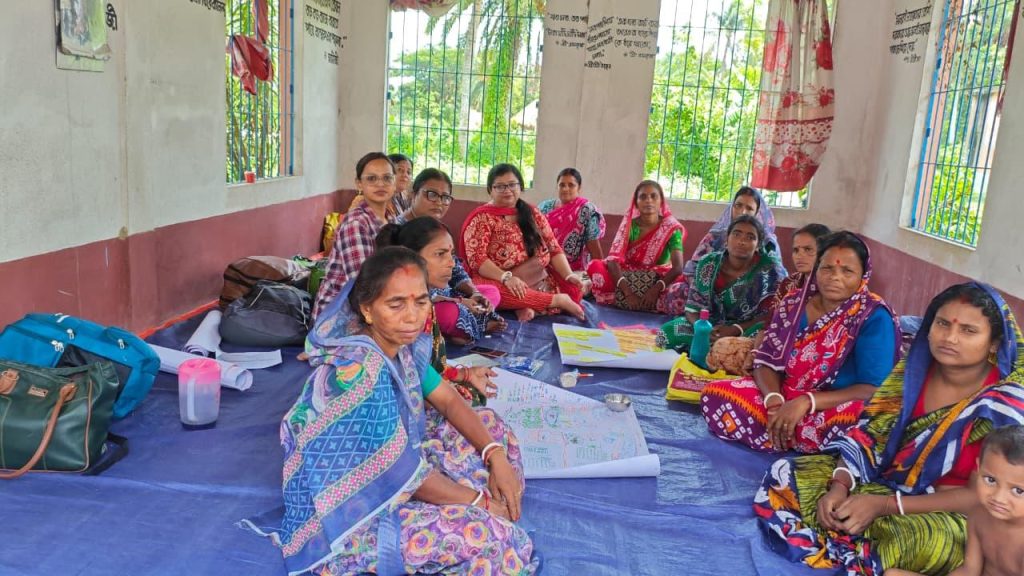
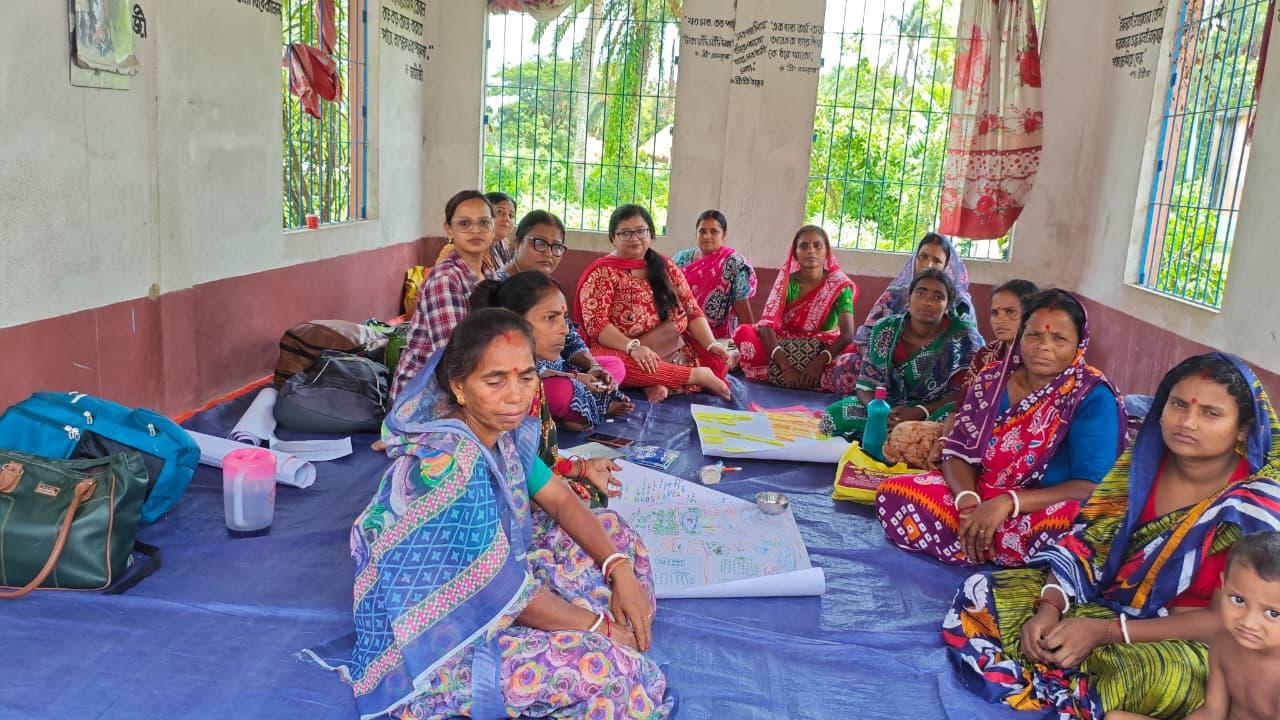
In May and June 2026, CRB conducted participatory assessments with four women-led groups associated with Badabon Harvest: Aranya Badabon, Bonopriya Anandadhara, Dakshin Durgapur Badabon SHG and Gobardhanpur. Using Participatory Rural Appraisal tools—including resource mapping, seasonal calendars, problem-tree analysis and value-chain assessment—the exercise informed context-specific Sustainable Livelihood Plans [4].
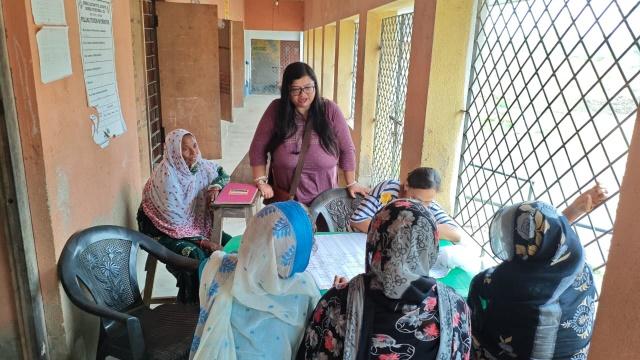
Participatory assessments place community knowledge at the centre of planning, helping identify local assets, seasonal vulnerabilities, institutional gaps and realistic opportunities. They also align capacity building and market development with producer groups’ priorities.

Towards an Integrated Stewardship Model

The experience of the Indian Sundarbans points to a broader lesson: climate resilience cannot be built through ecosystem protection or enterprise development in isolation. Mangroves help buffer coastal communities against environmental risks, while viable, diversified livelihoods can strengthen households’ capacity to respond to shocks without increasing their dependence on fragile natural resources. The relationship is not automatic; it depends on responsible production, sound institutions and market opportunities that work for local producers.

For women-led producer organisations, this means strengthening governance, entrepreneurial capabilities and market relationships while integrating ecological considerations into livelihood decisions. Businesses and development organisations must invest in long-term partnerships rather than treat communities merely as suppliers or beneficiaries.

The task is not simply to make conservation pay or rural enterprises grow at any cost. It is to build institutions and value chains through which ecological stewardship and women’s economic agency reinforce one another. When women have a meaningful role in decisions, access to viable markets and a fairer share of the value they create, livelihood development can become part of a durable stewardship model. The future of the Indian Sundarbans will depend on sustaining these connections over time.

References

[1] Bera, R. and Maiti, R. (2022). “Mangrove dependency and livelihood challenges — A study on Sundarbans, India.” Regional Studies in Marine Science, 50, 102135. https://doi.org/10.1016/j.rsma.2021.102135


[2] Mallick, B. et al. (2021). “Livelihoods dependence on mangrove ecosystems: Empirical evidence from the Sundarbans.” Current Research in Environmental Sustainability, 3, 100077. https://doi.org/10.1016/j.crsust.2021.100077


[3] Begum, F., Lobry de Bruyn, L., Kristiansen, P. and Islam, M. A. (2022). “Forest co-management in the Sundarban mangrove forest: Impacts of women’s participation on their livelihoods and sustainable forest resource conservation.” Environmental Development, 43, 100731. https://doi.org/10.1016/j.envdev.2022.100731


[4] Centre for Responsible Business (CRB). Building Capacities for Augmenting Livelihood to Sustain the Mangrove Stewardship of Women in the Indian Sundarbans to Adapt to Climate Change. https://c4rb.org/building-capacities-for-augmenting-livelihood-to-sustain-the-mangrove-stewardship-of-women-in-the-indian-sundarbans-to-adapt-to-climate-change/


[5] Badabon Harvest. Our Story. https://badabonharvest.in/our-story/

“NOTE: The views expressed here are those of the authors and do not necessarily represent or reflect the views of CRB.”

Women as Mangrove Stewards and Climate-Resilient Entrepreneurs in the Indian Sundarbans

Transitioning from Legal Compliances to Living Wages

The Ladder and the Trap: AI’s Promise and Peril for Indian MSMEs

Building Capacity, Building Trust: Crafting Effective Business & Human Rights Workshops

Regenerative Agriculture can be a Promising Path for Soybean Cultivation

How Capitals Approach can strengthen India’s push for sustainable agriculture

Partners so far

1
2
3
4
5
logo
logo1
logo2
logo3
logo4
logo5
logo6
logo7
logo8
logo9
logo10
logo11
logo12
logo13
logo14
logo15
logo16
logo17
logo18
logo19
logo20
logo21
logo22
logo23
logo24
logo25
logo26
logo27
logo29
logo30
logo31
logo32
logo33
logo34
logo35
logo36
logo37
logo38
logo39
logo40
logo41
logo42
logo43
logo44
logo45
logo46
logo47
logo48
logo49
logo50
awslogonew
logo52
logo53
logo54
logo55
logo56
logo57
logo58
logo59
logo60
logo61
logo62
logo63
logo64
logo65
logo66
logo67
logo68
logo69
logo70
logo71
logo72
logo73
logo74
logo75
logo76
logo77
logo78
logo79
logo80
logo81
logo82
logo83
logo84
logo85
logo86
logo87
logo88
logo89
logo90
logo91
logo92
logo93
logo94
logo95

Get In Touch

CENTRE FOR RESPONSIBLE BUSINESS

USO House, USO Road, 6 Special Institutional Area, Off Shaheed Jeet Singh Marg,New Delhi-110067 (India)

+911141088853

info@c4rb.org

Facebook Twitter Youtube Linkedin Instagram

Important Links

Home

About CRB

News

Blogs

Legal Documents

Contact Us

Privacy Policy

CRB on Twitter

Tweets by Centre4RespBiz
Facebook Twitter Youtube Linkedin Instagram